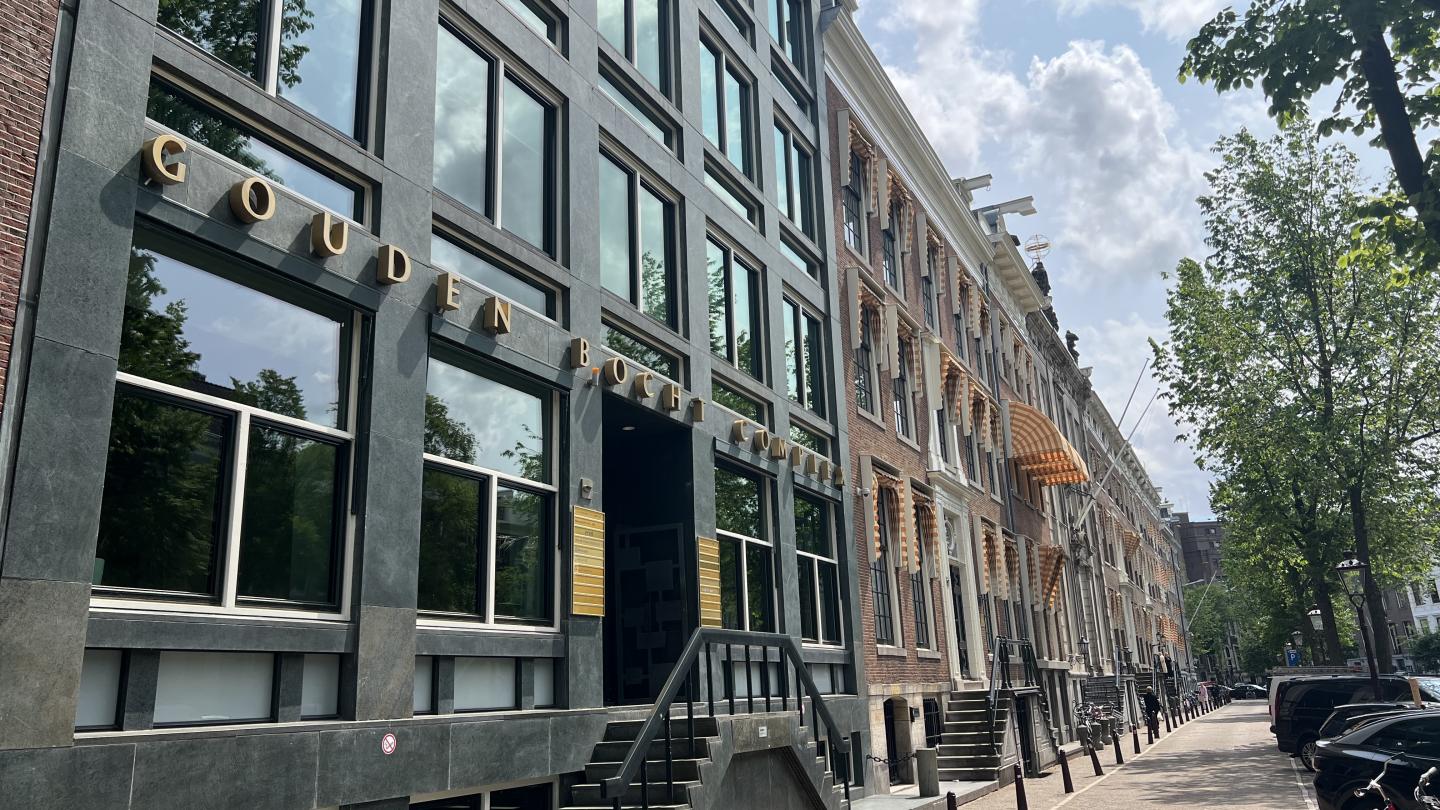
Wealth manager B.A. van Doorn expands its activities with an independent family office. Over the past six months, the new service has been set up discreetly, after which it became clear there was enough foundation to further professionalize the service. This expansion follows a clear trend where an increasing number of entrepreneurs who have sold their businesses are choosing an independent family office to manage their wealth. The new service is expected to become a driving force alongside the regular tasks of wealth management.
Estimates suggest there are currently around 300 active family offices in the Netherlands, compared to over 1,000 in Germany and more than 1,500 in Switzerland. The Dutch market is growing rapidly. The number of entrepreneurs selling their businesses reached a record level in 2023, partly due to interest from private equity and foreign strategic buyers.
"For these newly wealthy individuals, a family office is attractive. Not to generate more returns—after all, they’re already wealthy—but to maintain control over their financial and personal trajectory. A trusted advisor who ensures that wealth leads to peace rather than tension," says Albert Maingay, managing director of B.A. van Doorn. With a history of nearly two centuries, B.A. van Doorn is one of the oldest wealth advisors in the country. The firm distinguishes itself by not being tied to large international players, allowing it to provide truly independent advice in the best interest of the client.
The bank has its own agenda
Maingay: “In addition, major banks are withdrawing from comprehensive services. Personal contact is becoming rarer, and custom solutions are disappearing. Private bankers are often product-driven, not independent. Our family office fills that gap. A bank doesn’t tell you much about other banks, taxation, or real estate. That’s understandable—they have their own agenda. Families are looking for someone who thinks about the whole picture and has no stake in the product. Families need peace and control, not product sales. We connect tax, legal, investment, and governance issues into one strategy.”
The demand for family offices is further strengthened by a rapidly changing regulatory and fiscal landscape. New regulations such as ATAD, the UBO register, changes in box 3 taxation, and evolving international tax treaties are making wealth structures more complex. At the same time, many families want to use their wealth for sustainable and societal goals.
According to the latest figures from CBS (Statistics Netherlands), interest in sustainable investing is on the rise: it is estimated that in 2024, 36% of private investment assets will be managed under ESG (Environmental, Social, and Governance) criteria, compared to 24% in 2020. There is also an increasing need for family governance, such as family charters and succession protocols, to formalize values and agreements for future generations.
From bank to trusted advisor
Where private banking traditionally played an important role, many wealthy families now experience that the advice there is becoming less independent. Private bankers are often product-driven and provide little insight into competing solutions. Multi-family offices like B.A. van Doorn’s, on the other hand, operate independently from banks and coordinate collaborations with external tax advisors, notaries, and lawyers.
“We are not a replacement for the bank, but a partner who oversees and safeguards,” says Maingay. “Our goal is to minimize complexity so that families can focus their energy on what’s important to them. Whether that’s growth, philanthropy, or peace of mind.”
About B.A. van Doorn
B.A. van Doorn was founded nearly 200 years ago and is one of the few remaining independent wealth managers in the Netherlands. Over the generations, the company has weathered economic crises, wars, and market transitions. Personal attention, integrity, and long-term relationships are at the heart of the firm's services.
Tekst: Martin van Putten
Zie ook: Analist.nl